
Dear Therapist: "What does it mean to approach pain with curiosity?"
Have you developed burning mouth syndrome after a period of stress, despite being told nothing is physically wrong? In this Dear Therapist article, discover how chronic stress can sensitise the nervous system, why symptoms can persist long after the original trigger has passed, and how Pain Reprocessing Therapy can help retrain the brain, reduce fear, and support recovery from neuroplastic pain.
You Cannot Will Your Way to Felt Safety
Many people living with chronic pain believe healing will come through effort, control, or “trying harder” to feel safe. But true nervous system regulation cannot be forced. In this article, we explore why felt safety is not something you can think your way into, and how chronic pain recovery often begins when the body experiences safety through connection, presence, self-compassion, and gentle nervous system regulation. Learn how Pain Reprocessing Therapy (PRT), mind-body approaches, and somatic awareness can help break the cycle of fear, hypervigilance, and chronic symptoms.
Chronic Pain and Identity Loss: When You No Longer Recognise Yourself
When chronic pain changes your body, it can quietly reshape your sense of self. You may find yourself wondering, “Who am I now?” In this article, we explore the often-overlooked link between chronic pain and identity loss, and how mind-body approaches like Pain Reprocessing Therapy can help you reconnect with yourself, rebuild trust in your body, and rediscover a sense of meaning and wholeness beyond pain.
Why does my pain mirror itself ?
Wondering why pain sometimes appears on both sides of the body, even when the original injury was only on one side? Learn how mirror pain can occur in chronic and neuroplastic pain, what it means for your nervous system, and why it does not necessarily indicate physical damage.
When Trying Everything Hasn't Been Enough: On Exhaustion, Hope, and Learning to Measure Differently
If you’ve tried everything for chronic pain and still feel stuck, you’re not alone. This article explores why recovery isn’t about doing more, but about changing your relationship with pain. Discover a gentler, evidence-based approach rooted in nervous system regulation, hope, and a new way of measuring progress.
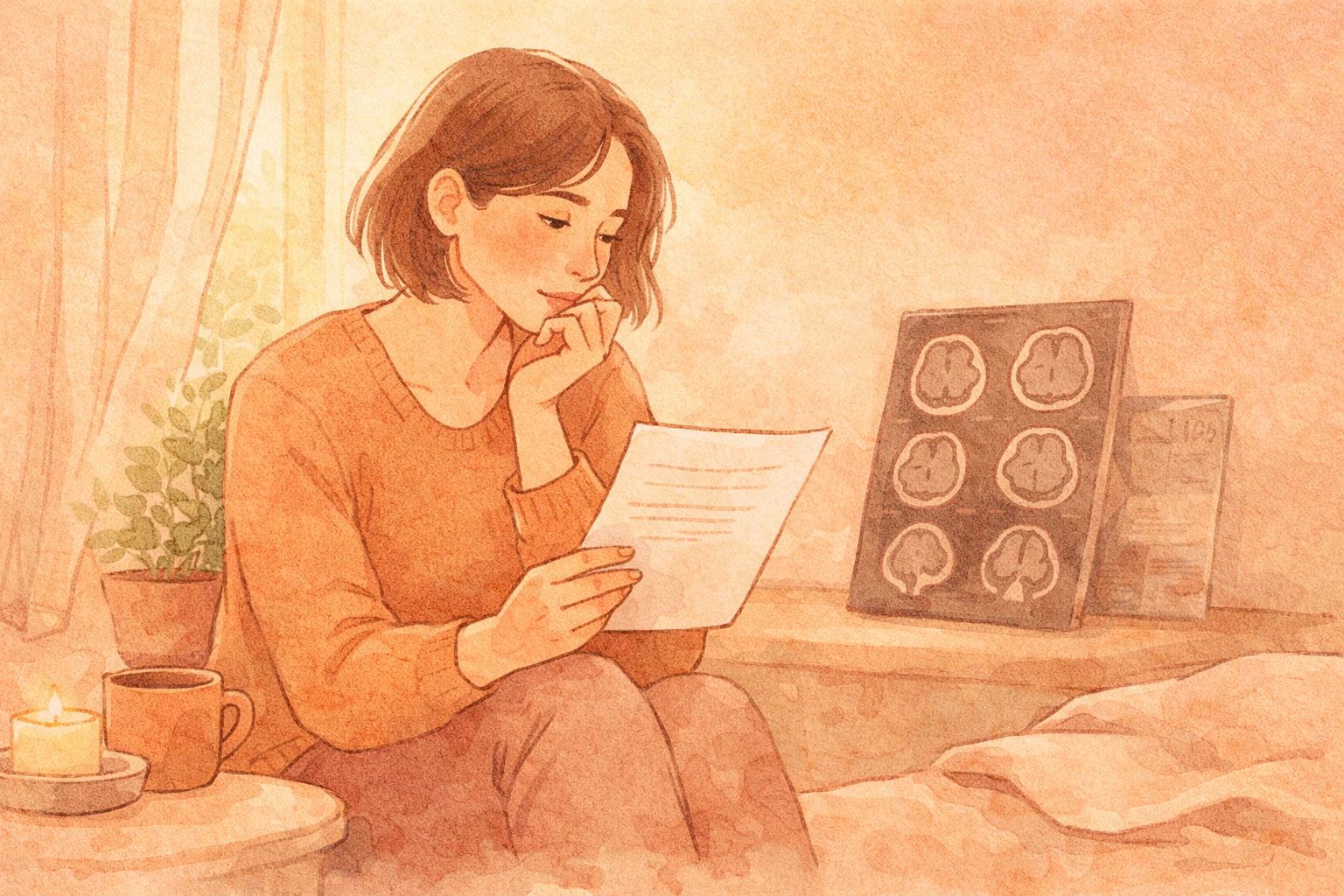
Your MRI Looks Normal But You're Still in Pain. Here's Why That Makes Complete Sense.
Struggling with chronic pain despite a “normal” MRI? This article explains why pain can persist without visible damage, exploring the role of the nervous system, neuroplastic pain, and how the brain can learn pain even in the absence of injury. Discover a compassionate, science-based perspective that helps you understand your symptoms and begin the path towards relief.
Does Stress Make Chronic Pain Worse? What the Link Actually Means
Does stress really make chronic pain worse? The answer is more nuanced than most people think. Discover how stress affects the nervous system and why pain flare-ups happen.

Chronic Pain Flare-Ups: Why They Happen and How to Calm Your Nervous System
When a chronic pain flare-up strikes it can feel frightening and discouraging. In this article you will learn what is really happening in the nervous system during a pain flare and simple ways to respond with calm, confidence, and safety.

Why Your Body Isn't Your Enemy: Understanding Chronic Pain as Protection
Chronic pain can feel frightening, confusing, and deeply personal. But what if your body is not broken or working against you? In this article, we explore how persistent pain is often a protective response driven by the nervous system rather than ongoing tissue damage. Drawing on the science of Pain Reprocessing Therapy and neuroplastic pain, you will learn why pain can continue long after an injury has healed, how fear and stress amplify symptoms, and what it means to retrain the brain’s alarm system. If you are living with back pain, hip pain, fibromyalgia, or other chronic symptoms with no clear medical explanation, this gentle yet evidence-based perspective may help you feel safer in your body and begin your journey toward recovery.

Dear Therapist: When Pain Takes the Things That Bring You Joy
I just want my life back.” If pain has taken away exercise, hobbies, travel, or simple daily pleasures, you’re not alone. This Dear Therapist article explains the hidden link between chronic pain, fear, and the nervous system — and how Pain Reprocessing Therapy offers a compassionate path toward reclaiming joy and safety in your body.

Why Trying to Heal Too Quickly Can Maintain Chronic Pain
Many people living with chronic pain are doing everything “right” — reading, researching, practising techniques — yet still find themselves stuck. In this article, I explore how the pressure to heal quickly can quietly keep the nervous system on high alert, maintaining pain rather than resolving it. By shifting the focus from symptom relief to safety, and by allowing the pace of recovery to slow down, a different kind of progress becomes possible — one rooted in regulation, compassion, and easing the inner struggle.

Dear Therapist: A Space for Questions About Chronic Pain
Living with chronic pain often comes with questions that feel too big, too personal, or too confusing to ask out loud. Dear Therapist is a reflective space for those questions: exploring the emotional, psychological, and nervous-system side of chronic pain recovery. A compassionate, mind-body perspective for anyone feeling stuck, uncertain, or alone on their healing journey.

Self-Esteem and Chronic Pain: The Missing Piece No One Talks About
Most people know that chronic pain is influenced by stress and emotion. But very few realise that self-esteem—the way you speak to yourself, judge yourself, and measure your value—can quietly keep your nervous system in a state of danger.
For years, I lived with a belief that my worth depended on how strong I was, how much I could achieve, and how well I could manage my pain without letting anyone see me struggle.
What I didn’t know was that these beliefs were feeding my pain cycle.
This article explores the hidden link between self-worth and chronic pain—and the shift that finally set me free.

What I Wish I’d Known at the Start of My Recovery Journey
When I first began my chronic pain recovery journey, I thought healing meant fixing my body. I chased the perfect posture, the right diagnosis, the miracle stretch - yet the harder I tried, the worse things got. It wasn’t until I discovered Pain Reprocessing Therapy and hypnotherapy that I realised my body wasn’t broken; it was protecting me. In learning to let go of control and reconnect with safety, I found the freedom my nervous system had been seeking all along.
If you’re living with persistent pain, anxiety, or fear of movement, this article explores how shifting from control to curiosity can rewire the brain, calm the body, and help you finally heal.

Feeling Stuck in Chronic Pain Recovery?
Are you feeling stuck in your chronic pain recovery? You’ve tried the books, the exercises, the techniques but the pain keeps looping back. It’s frustrating, exhausting, and it can make you wonder if healing is even possible.
The truth is, you’re not failing. Your nervous system has simply been on guard duty for too long. In this post, I’ll show you practical, science-based steps to regulate your nervous system, reduce pain, and finally move forward with confidence.

Self-Compassion for Chronic Pain: Healing the Body by Befriending the Parts Inside
When chronic pain flares up, most of us try to treat the pain itself with stretches, supplements, self-talk, or sheer willpower. But what if the pain isn’t the part that needs soothing?
In this article, I explore a deeper truth: that behind every ache is a part of us that’s afraid, angry, or overwhelmed and that true healing begins not with fixing, but with listening. Drawing from neuroscience, Polyvagal Theory, and real client stories, I’ll show you how to connect with the parts of yourself that carry your pain… and offer them the compassion they’ve been waiting for.
Because when your body feels safe, it can begin to heal. And when your inner world feels heard, the battle with pain starts to soften.

What to Do When a Flare-Up Strikes (Even If You Thought You Were “Done” with Pain)
When pain flares up, it doesn’t just hurt your body — it unravels your confidence. Doubts creep in, confusion clouds your mind, and suddenly you’re questioning everything you thought you knew about healing. In this article, I share the story of a recent personal flare-up — what triggered it, how I responded, and the exact protocol I used to calm my nervous system and return to safety. Whether you’re in the thick of a flare right now or want to prepare for the next one, this piece offers practical tools, soothing reminders, and a gentle path back to trust. Because you are not broken — and your pain is not a step backward.

The Nervous System Isn't the Enemy: How Polyvagal Theory Can Empower Chronic Pain Recovery
When you live with chronic pain, it can feel like your body is betraying you—flaring up without warning, pulling you into states of panic, shutdown, or deep fatigue. But what if the problem isn’t your body… but the stories your nervous system has been telling to keep you safe?
In this article, I explore how Polyvagal Theory—developed by Dr. Stephen Porges and brought to life in therapy by Deb Dana—can help reframe your experience of pain, fatigue, and emotional overwhelm. You’ll learn how to map your nervous system, recognise moments of safety, and create daily practices that anchor you in calm and connection.
This isn’t about fixing you. It’s about understanding the language of your body, and learning to respond with compassion, not control.

How to Stop Pain-Related Anxiety: 5 Proven Steps to Break Free From the Pain-Fear Cycle
Are you trapped in a cycle where anxious thoughts make your pain worse, and pain triggers more anxiety? Discover five science-backed techniques to break free from pain-related fear. Learn how your brain processes pain signals, why catastrophic thinking amplifies your suffering, and practical tools like the SHIFT method and "Worry Time" that can help calm your nervous system. This evidence-based approach has helped thousands reclaim their lives from chronic pain—and it can work for you too.

Stop Believing These 5 Pain Myths (Science Says They're Wrong)
What if everything you thought you knew about chronic pain was wrong? In this powerful, science-backed article, I reveal the 5 biggest myths keeping people trapped in pain - and how to break free using the brain’s natural ability to heal. Drawing from personal experience, cutting-edge neuroscience, and proven mind-body techniques, this guide will help you shift from fear and frustration to clarity, confidence, and hope. If you’ve tried everything and still feel stuck, this might be the missing piece.