
Why Trying to Heal Too Quickly Can Maintain Chronic Pain
On exhaustion, invisible pressure, and why slowing down matters.
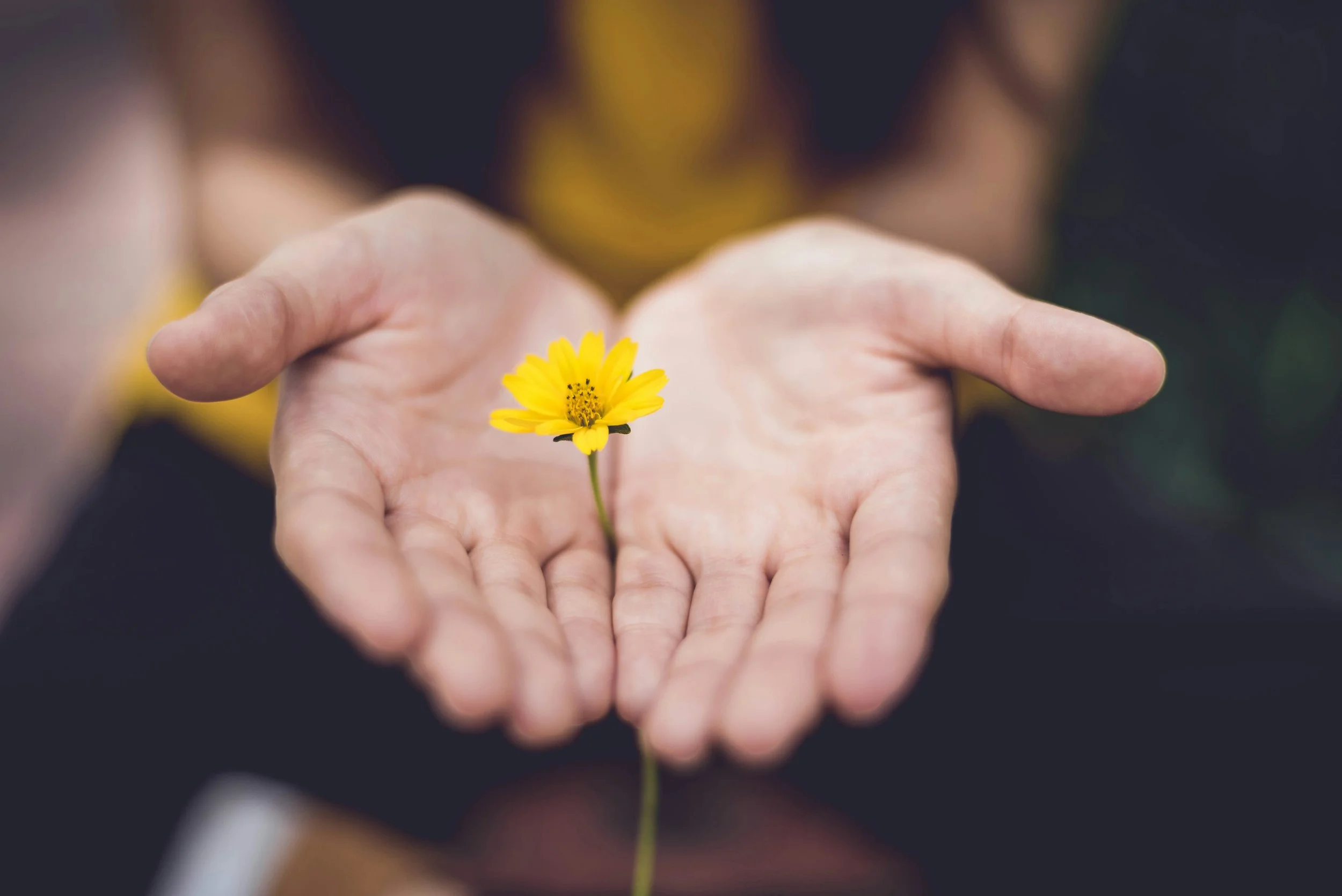
Photo by Lina Trochez on Unsplash
Why Trying to Heal Too Quickly Can Sometimes Keep Pain Going
There is something I see very often in people living with persistent pain.
They are doing everything “right”.
They read.
They research.
They understand the model.
They practise the exercises, the techniques, the approaches they’ve been given.
And yet, despite all this effort, the pain is still there.
Over time, another layer quietly settles in.
Frustration.
Self-doubt.
Sometimes a very private sense of discouragement.
Often, the internal conclusion sounds something like:
“There must be something I’m missing.” or “I’m probably not doing this properly.”
And even when these thoughts remain in the background, they add pressure.
When “getting better” becomes an expectation
In my work, I rarely meet people who are passive or unmotivated.
On the contrary, I meet people who are deeply engaged, reflective, and genuinely trying.
What I also see, though, are nervous systems under strain.
Nervous systems that have absorbed the idea that they should be getting better quickly and that if they are not, something must be wrong. That pain persisting means more effort is needed, more understanding, more discipline.
For a nervous system that is already on high alert, this expectation, even when it comes from a place of hope, can register as yet another signal of danger.
Trying to heal too quickly can quietly turn into a form of struggle.
Not an obvious fight. Not conscious resistance. But a constant background tension. A sense of “this should be different by now.”
And a nervous system that feels pressured does not feel safe.
Safety before symptom relief
In the approach I use, the first goal is not to eliminate pain. It is to increase safety.
This can sound counterintuitive, especially when pain has been present for a long time. But the nervous system does not regulate through force or urgency. It regulates when it perceives that the threat has passed.
Sometimes pain continues not because the body is damaged, but because the nervous system is still operating in protection mode.
In that context, the pressure to improve can actually reinforce the very patterns that keep the system on edge.
Creating safety can mean:
slowing down deliberately
softening expectations
stepping away from constant monitoring
allowing yourself to stop “working on yourself” for a while
This is not giving up. It is not resignation. It is often the beginning of a deeper shift.
Progress doesn’t always look like less pain
One important point I want to emphasise here: the first sign of change is not always a reduction in pain.
Sometimes it is a reduction in fear.
Or less checking.
Or a breath that feels a little easier.
Or simply feeling less at war with your body.
These shifts may seem subtle, but they are fundamental. They are what allow the nervous system, over time, to release protective responses that are no longer necessary.
Going slower is not failure. It is often a very intelligent response to a nervous system that has been trying to cope for a long time.
An invitation to change pace
If you recognise yourself in this exhaustion of trying, in this feeling that you must keep doing things “right”, I want you to know this: there is nothing to achieve here.
Your body does not need to be convinced. It needs to feel safe.
And sometimes, the most supportive thing you can do is to ease the pressure and allow yourself to move at a different pace.
What This Looks Like in Practice
You might be wondering: "If trying hard is keeping me stuck, what should I do instead?"
Here's what I've seen make a difference:
Instead of:
"I must practice this technique perfectly every day"
Try:
"I'll check in with my body and see what feels supportive today"
Instead of:
"Why isn't this working yet? I've been doing everything right"
Try:
"What small shift have I noticed, even if the pain is still here?"
Instead of:
"I need to understand everything about my pain before I can heal"
Try:
"What would it feel like to trust my body's process, even without all the answers?"
These aren't just mental reframes. They're invitations to change your nervous system's relationship with the healing process itself.
If you're feeling this pressure to "heal faster," you're not alone and you're not doing anything wrong.
Many people with chronic pain find themselves caught in this exact bind: trying so hard to get better that the effort itself becomes another source of tension.
The nervous system needs something different. It needs permission to slow down. It needs reassurance that it's safe. And it needs practices that send signals of safety rather than urgency.
If this resonated with you, I've created a free guide that explores all five key reasons chronic pain persists and what you can gently do about it.
📥 "5 Key Reasons Your Pain Becomes Chronic, and How to Break Free"
And if you feel the need to put your experience into words, you can also write to me via Dear Therapist.
If you're ready for personalised support on your journey, I’d love to hear from you. Feel free to reach out, and we can have a friendly chat to see if my approach is the right fit for you.
