
Dear Therapist: "What does it mean to approach pain with curiosity?"
A response to a reader living with burning mouth syndrome and the gap between understanding neuroplastic pain and actually feeling differently.
“I have had burning mouth syndrome for 5 years. It started during a period of severe stress when I cracked a tooth clenching at night. I saw numerous dentists who made everything worse and doctors who either dismissed me or prescribed pain medication that didn’t work. I am 70 years old and otherwise completely healthy.
For the past year or so I have been completely onboard with everything you say but despite understanding it all and seeing it makes perfect sense, I am still stuck. I don’t understand what it means to approach the pain with curiosity.
I was prescribed a mouthguard at night to protect my teeth. Recently I decided to not wear it thinking maybe it was feeding my fear but my jaw and teeth were more painful without it so I’m stuck trying to decide with this as well.
My overwhelming feelings about this are frustration and sadness. It’s so difficult to have any kind of connection with people when normal social interactions like talking and eating are so very painful. I do try but it’s all an act and completely exhausting. People I have told are incredulous and don’t want to know.
Yoga helps and a relaxing bath and sleep but I get a flare up with the tiniest stresses and that’s hard.
It’s especially difficult because even doctors and dentists think you’re imagining it. The pain is real!”
Dear Reader,
Five years of pain is hard enough. But five years of being told, in one way or another, that nothing is wrong adds another weight entirely; one that can leave you questioning your own reality, and feeling profoundly alone in an experience that is already isolating enough. When the people who are supposed to understand tell you there's nothing to find, it doesn't make the pain smaller. It just makes the loneliness bigger.
So I want to start by saying this as clearly as I can:
Your pain is real.
Pain is always real. Whether it is being generated by ongoing tissue damage or by an overprotective nervous system, the experience of pain is genuine. If you're feeling it, you're not imagining it. The dismissals you've received say something about the limits of those consultations, not about the validity of what you're living with.
One thing that really stood out to me in your letter was this sentence:
"It's all an act and completely exhausting."
I imagine so many people reading this will recognise exactly what you mean. Chronic pain can be incredibly lonely, especially when it affects something as fundamental as talking and eating. Two of the main ways we connect with other people. Having to pretend you're okay while you're hurting inside is exhausting.
You also mentioned something that I think many people experience: you've understood the principles of neuroplastic pain for over a year, yet you still feel stuck.
Here is what I'd offer about that: understanding something intellectually isn't the same as experiencing it. We can understand that flying is statistically very safe, yet still feel anxious getting on a plane. Our thinking brain and the nervous system learn through entirely different mechanisms. The nervous system doesn't update through reasoning. It updates through repeated felt experiences of safety. That gap between knowing and feeling isn't a sign that something has gone wrong with you. It's simply where the real work begins.
That brings me to your question about curiosity.
I think curiosity is one of those words that's easy to say but much harder to understand in practice.
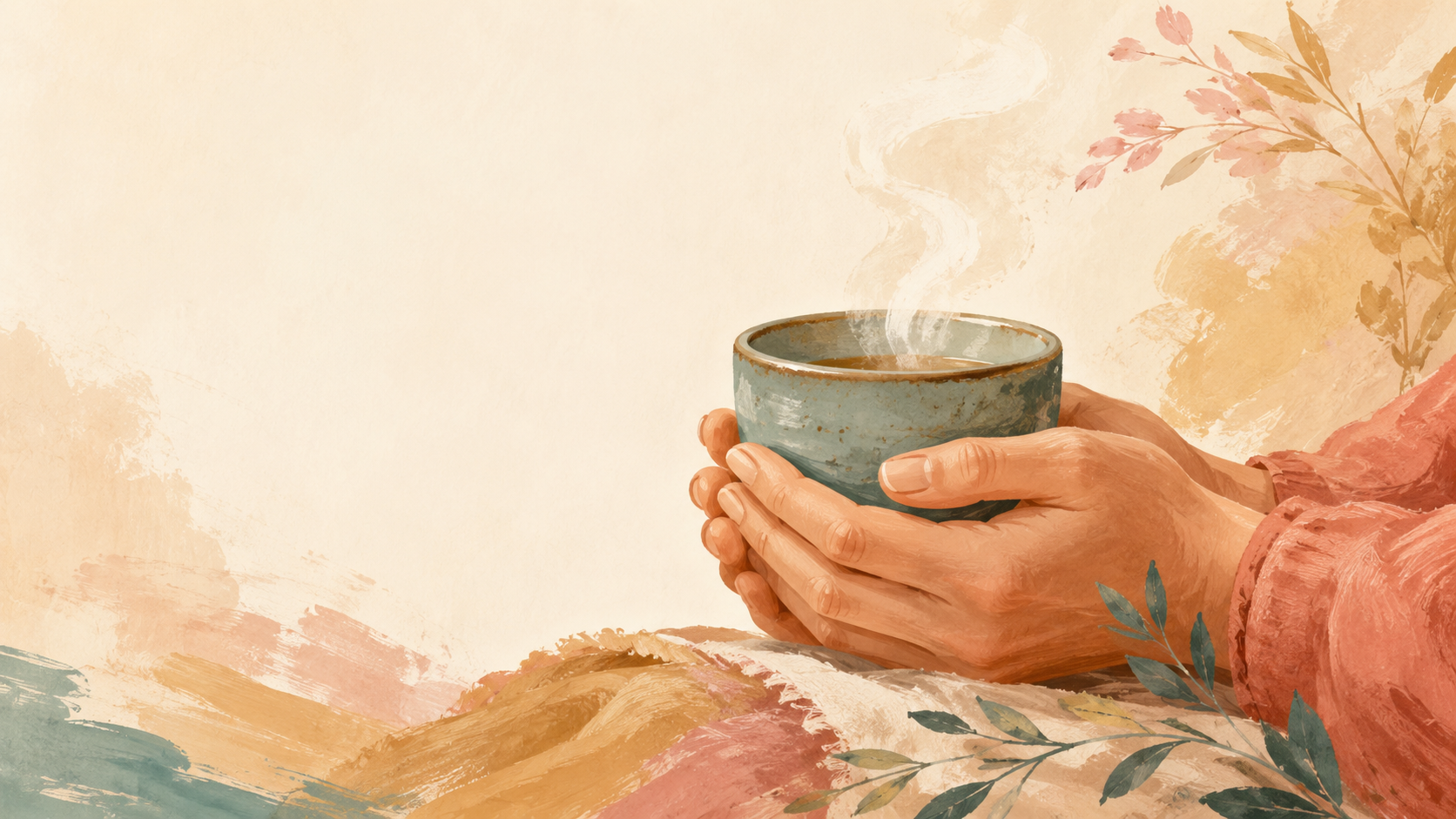
When we talk about approaching sensations with curiosity, we're not asking you to stare at the pain or analyse it. In fact, when there's already so much fear, frustration or sadness surrounding the pain, that can feel almost impossible. And that's fine because you don't have to start there. Instead, try practising curiosity somewhere that already feels safe. The warmth of the bath you mentioned. Sunshine on your face. The weight of a cup of tea in your hands. Rather than labelling these as "warm" or "comfortable", become quietly interested in them. Where exactly do you notice the sensation? Does it have edges? Does it shift or stay still? Can you notice it without trying to hold onto it?
This is what it means to let your body do the noticing rather than your mind. You're not trying to achieve anything. You're building a new way of relating to sensation. One based on openness rather than vigilance.
The beautiful thing is that you've already given us evidence that your nervous system can settle. Yoga helps. A relaxing bath helps. Sleep helps. Those observations matter. They tell us your nervous system isn't stuck in one fixed state. It already knows how to move towards safety. Our job is simply to help it do that more often.
You also mentioned that even the smallest stresses can trigger a flare-up. That makes me curious. Not so much about the stress itself, but about what happens inside you in those moments. What emotions show up? Is there frustration? Pressure? Fear? Sadness?
Sometimes becoming curious about the emotional experience beneath the flare is more helpful than becoming curious about the pain itself. After all, if the pain is the alarm, it can be more useful to understand what the alarm is responding to.
As for the mouthguard, if taking it away creates more uncertainty or anxiety, there's no prize for removing it before you're ready. Think of it like the stabilisers on a child's bicycle. They aren't a sign of failure, they're simply there while confidence and balance develop. As your nervous system becomes more settled, you can always revisit that decision later.
Finally, I wonder if one small adjustment might make socialising feel a little less overwhelming. Rather than pushing yourself through long meals or busy gatherings, could you meet someone for a cup of tea instead? Or go for a short walk together? Recovery isn't about forcing yourself into difficult situations. It's about gently finding ways to reconnect with life that feel manageable and enjoyable.
You're not stuck. You're at a threshold. There's a difference.
With warmth,
Jean
If this resonated with you, I've created a free guide that explores all five key reasons chronic pain persists and what you can gently do about it.
📥 "5 Key Reasons Your Pain Becomes Chronic, and How to Break Free"
And if you feel the need to put your experience into words, you can also write to me via
If you're ready for personalised support on your journey, I’d love to hear from you. Feel free to reach out, and we can have a friendly chat to see if my approach is the right fit for you.
